Why The Tape
The Tape is a publication for independent artists and the people who work around them, covering the music industry as working musicians actually experience it: royalties, platform policy, sync deals, touring costs, and the decisions that shape whether a creative practice is sustainable.
Lincoln Savage
7 min read
Why The Tape
The Tape is a publication for independent artists and the people who work around them.
We’re here to cover the music industry as working musicians experience it: through royalties and recoupment, touring costs, platform policy, publishing splits, copyright fights, sync deals, audience-building, and the day-to-day decisions that shape whether a creative practice is sustainable or not.
There is no shortage of music coverage. There is no shortage of opinion, trend pieces, industry jargon, or surface-level advice. What's missing is journalism and analysis that takes artists' economics seriously without flattening music into spreadsheets. That’s a gap The Tape intends to fill.
We want this to be useful in the most practical sense of the word. A place where you come to understand something more clearly than you did before. A place that explains a system you’ve had to navigate but never had properly broken down. A place that introduces you to artists worth paying attention to, and gives you a better grasp of the conditions they’re working under. A place whose archive becomes more valuable over time because it helps you make better decisions.
What We’ll Cover
The Tape will focus on three broad areas.
First, the economics of music. That means streaming payouts, royalty structures, licensing, publishing, advances, distribution, platform policy, AI and copyright, and the business decisions that shape what artists are paid and what they are not. We’re interested in how money and leverage move through the music industry, and what that means for the people making the work.
Second, artist features. Not as publicity exercises, and not as interchangeable profiles, but as a way of understanding how musicians build a practice under real conditions. We want to write about artists with a strong sense of what they are making, how they are making it, and what pressures or choices define their path. The point is not just to ask what someone is releasing. The point is to understand how a career is taking shape.
Third, practical pieces. Clear, specific service journalism for working artists: how to read a royalty statement, what a publishing administrator actually does, how sync deals tend to work, what tax questions start to matter once touring becomes real, what changes when a project starts earning money in multiple places at once. These pieces should leave the reader with something they can use, not just something they agree with.
Across all three, our test is simple: does this help independent artists better understand the industry they work inside?
Why This Matters Now
Independent artists are being asked to build careers inside a music economy that is increasingly complex, opaque, and uneven. Platform rules change. Revenue models shift. New technologies arrive with grand promises and weak accountability. More of the burden of understanding contracts, rights, audience relationships, and income volatility gets pushed onto artists themselves.
At the same time, a lot of the public conversation around music is either too shallow to be useful or too insider-facing to be genuinely accessible. Trade coverage often follows power. Artist advice often drifts into motivational content. And plenty of the people most affected by industry decisions are expected to just absorb the consequences and keep moving.
They deserve reporting that explains what is happening. Analysis that is honest about uncertainty. Practical guidance that is genuinely useful. Features that treat artistic work and economic reality as part of the same story, because they are.
The Tape exists because this subject deserves more attention, more rigor, and better writing than it usually gets.
A Note On Distrosub
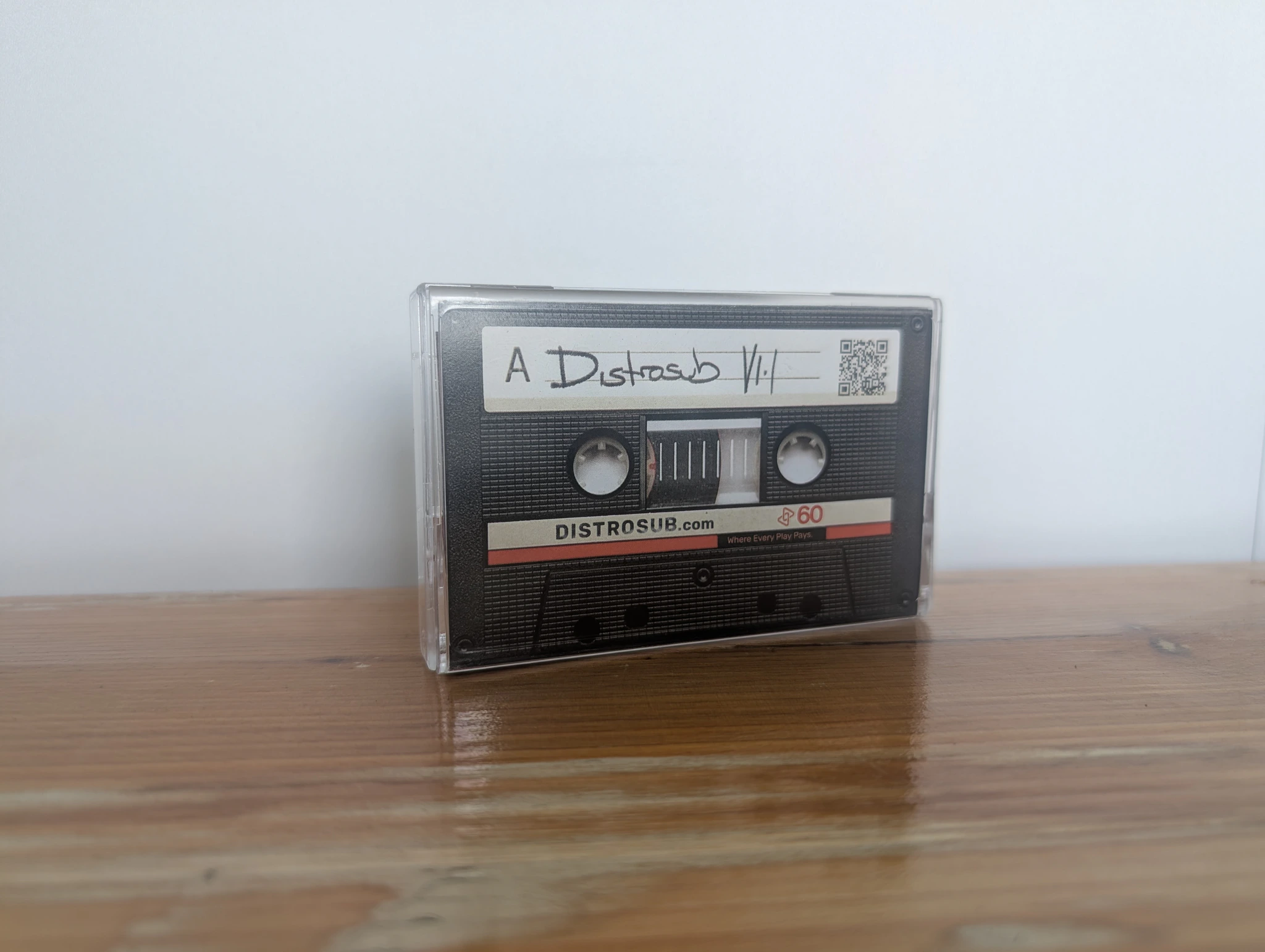
The Tape is published by Distrosub, and that relationship should be explicit.
Distrosub is an artist support and streaming platform. It will come up here when it is relevant. But The Tape is not meant to be a brand blog dressed up as editorial. If we want readers to trust this publication, that trust has to be earned through the quality of the work, the clarity of the reporting, and a willingness to apply the same standards consistently, including when the subject is close to home.
How We’ll Work
A few editorial commitments at the outset.
We are on the artists’ side. That is not a hidden bias. It is the perspective the publication is built around. When we cover a policy change, a platform decision, a royalty dispute, a licensing trend, or a new technology, the central question is the same: what does this mean for working artists?
We are not a review site. We are not here to hand down ratings or perform indifference. If we feature an artist, it is because we think their work, practice, or perspective is worth your time.
We are willing to critique the industry directly. That includes streaming services, labels, distributors, publishers, management structures, deal norms, and the quieter parts of the business that often escape scrutiny. It also includes Distrosub, if and when that scrutiny is warranted. Editorial credibility means very little if it disappears the moment things get uncomfortable.
We will try to be plainspoken. Music is full of terms people are expected to know before anyone has properly explained them. We’d rather be precise than impressive.
And if we get something wrong, we’ll correct it clearly. That applies to numbers, analysis, framing, and representation. Publications earn trust by being right when they can and transparent when they are not.
Open To Contributions
The Tape is not meant to be written by a closed circle of staff voices. We want to publish people who have learned something by doing the work itself.
That includes artists, managers, booking agents, venue workers, label staff, engineers, publicists, independent writers, and people whose knowledge comes from being in the room where the decisions are made and the consequences land.
We’re interested in pitches for reported pieces, practical guides, essays, field notes, responses, diaries, and first-hand accounts that shed light on how this industry actually functions. If you have a perspective shaped by real experience, and you can help a reader understand something they would not otherwise see clearly, we want to hear from you.
That does not mean everything will be published as-is. Good editorial work involves shaping, questioning, refining, and sometimes pushing a piece toward a stronger version of itself. But the door is open on purpose. Practitioner knowledge is not a side category here. It is part of the point.
What We Hope This Becomes
The ambition for The Tape is simple.
We want to build a publication that independent artists return to because it is consistently worth returning to. One that treats music as work as well as art. One that understands that careers are built not only through talent, but through information, leverage, timing, community, and the ability to make decisions under imperfect conditions. One that is curious, critical, readable, and useful.
If that sounds like something you want more of, read along. Argue with us. Send us something. Tell us what we’re missing.
From Lincoln
I’ve spent much of the last fifteen years building the infrastructure around artists rather than standing at the centre of the picture. Festivals, venues, public art, production, logistics, funding, partnerships, the long unglamorous work that helps creative projects happen at all.
What that work teaches you, if you stay with it long enough, is how often artists are asked to carry the most risk while seeing the least clarity. You see how much labour sits behind the visible part of a career, and how often the systems around that labour are poorly explained, unevenly structured, or simply accepted as inevitable when they shouldn’t be.
Distrosub came out of that frustration. The Tape comes out of the same one.
Building better tools matters. But so does building a publication that can explain the world artists are working in, ask harder questions about it, and make the case in public for something better.
Comments (0)